tibbee enterprise development Trust Is Built By Engaging Everyone
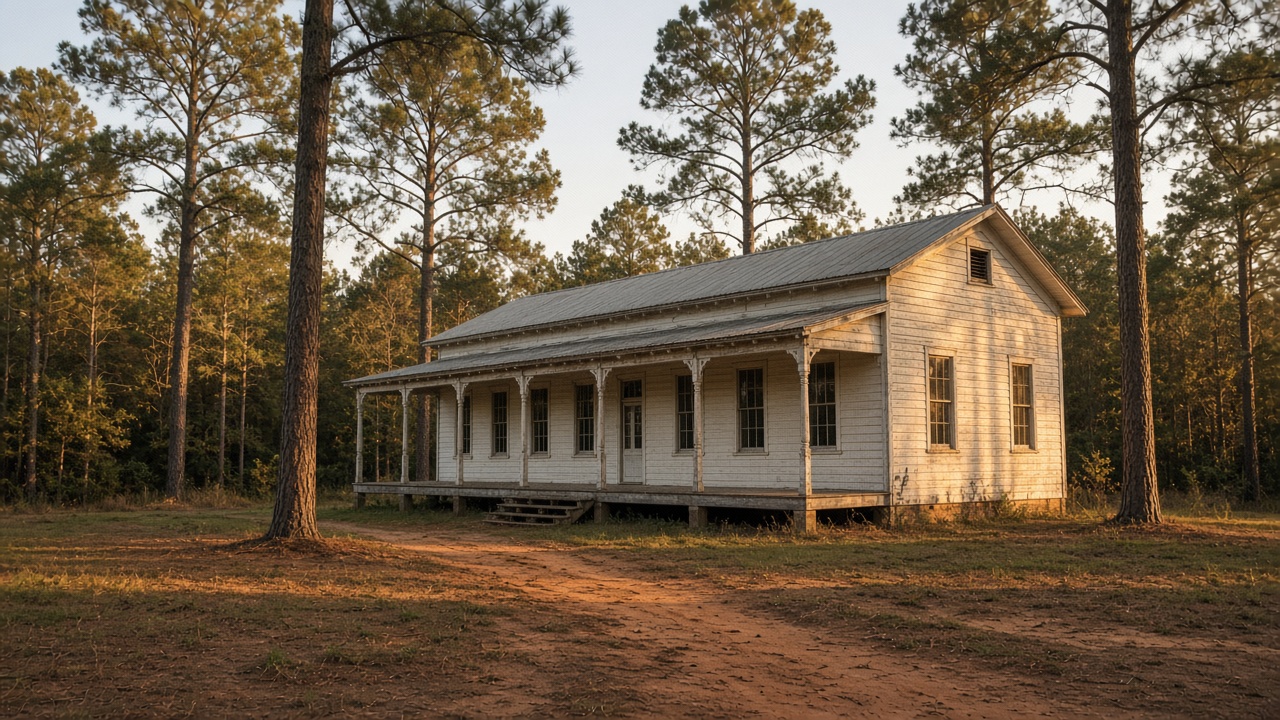
A pine-shaded rural schoolhouse in late afternoon light.
An illustration of the kind of schoolhouse at the center of the film — not a photograph of the Rosenwald or Munger buildings.
Tibbee Documentary Project · Clay County, Mississippi

A film about the role of education in Tibbee.

The Tibbee Documentary Project is following two schools that shaped who could learn here: the Rosenwald School at Tibbee, built in 1924–25, and Munger School, the Clay County school photographed in 1956 teaching grades 1–8. The film asks what those classrooms cost the community, and what they made possible.

Two schools, one question

Who paid for a school in Tibbee, who was allowed inside, and what did a diploma—or a few grades—change?

Rosenwald School at Tibbee

In 1924–25, African American residents of Clay County helped build a Tibbee School with the Julius Rosenwald Fund. The fund card records a three-teacher school on two acres. Of the $3,900 cost, Black residents contributed $2,000—more than the Rosenwald grant, public funds, and white contributors combined.

Rosenwald chapter →

Munger School

By 1956, University of Mississippi surveyor John E. Phay photographed Munger School in Clay County: a grades 1–8 campus with its own cafeteria building. The documentary treats Munger as the later chapter of education at Tibbee—the school families remember after the Rosenwald years— and is still collecting who taught there and who walked those halls.

Munger chapter →

Outline

Seven chapters. The full treatment, sources, and interviews are on the documentary page.

1

The stake

Why a school building was a community project in rural Clay County.

2

The older schoolhouse

The one-room Tibbee School on Tibbee–Columbus Road, land given in 1861, as setting—not the whole story.

3

Rosenwald, 1924–25

The fund card as a scene: $2,000 from Black residents and a three-teacher plan.

4

Inside that school

Teachers, combined grades, and what students still remember.

5

Munger School

Grades 1–8 and a cafeteria. Who taught, who ate there, and how the years connect.

6

What the schools made

The generation that left for West Point and Columbus, and the generation that stayed.

7

What is left to film

Class photos, rosters, teacher names, and the t-shirt that keeps production going.
Fundraising t-shirt

The Tibbee Documentary Project shirt on Creator Spring supports filming, interviews, and preservation of the education story.

Buy the t-shirt

Ways to stand with Tibbee

Neighbors, donors, and partners each have a clear next step.

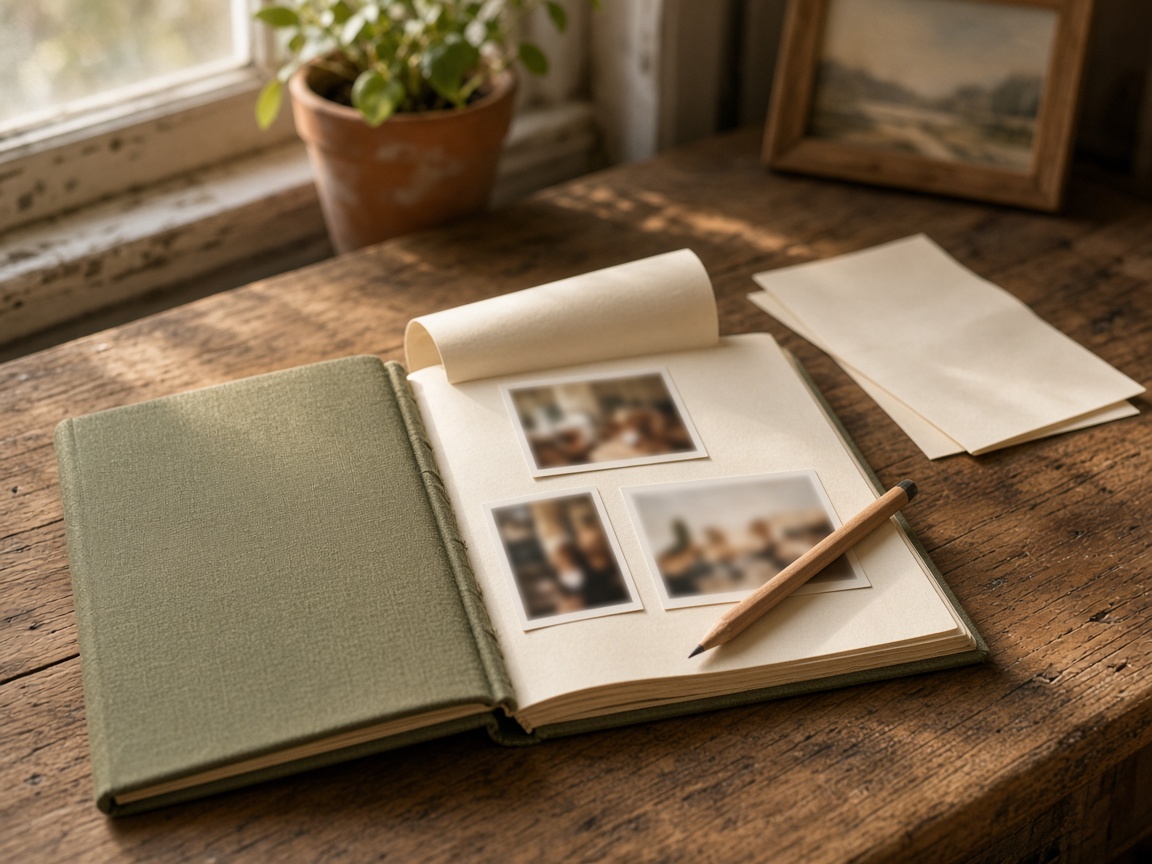
An open photo album and a pencil on a wooden table.

Share a memory

A class photograph, a teacher’s name, or the walk to school can become part of the film.

Contact the project
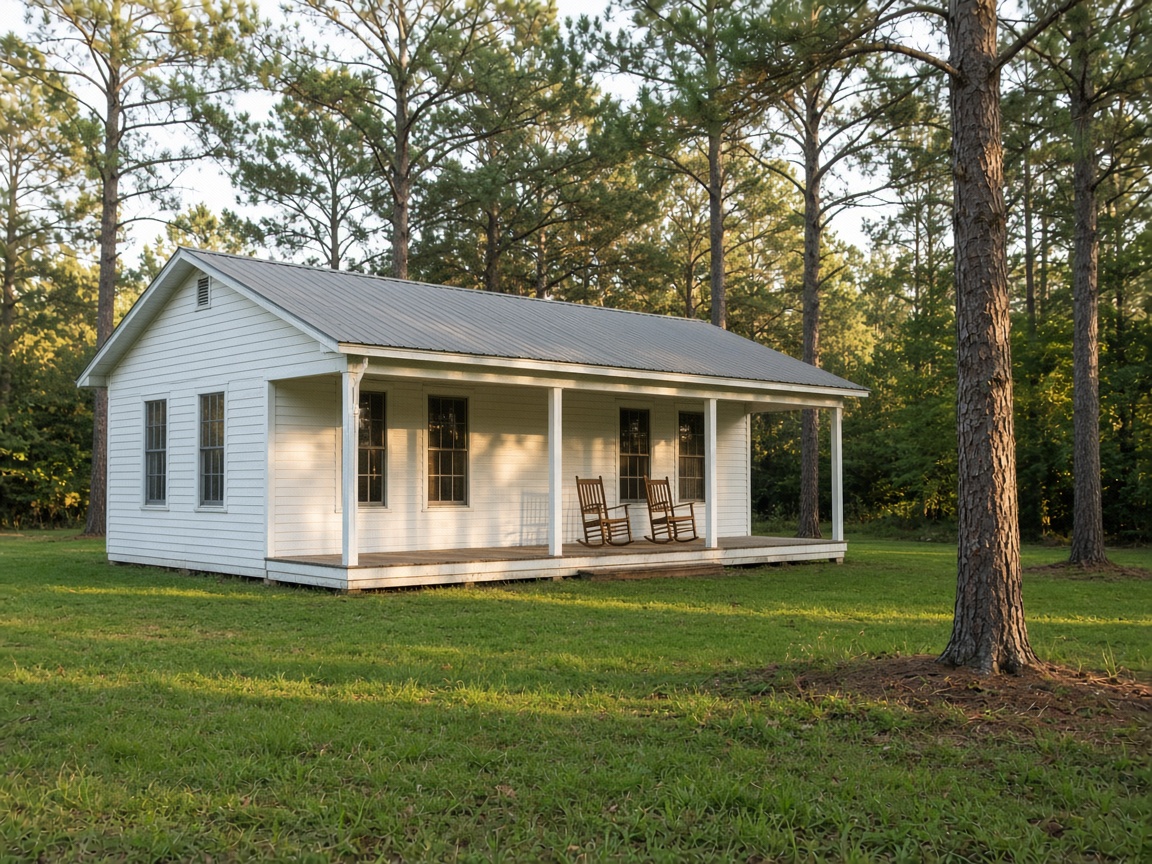
A small white community building with an open porch and two empty chairs.

Support the work

Gifts and partnerships keep the documentary, local programs, and enterprise moving.

See how to give

Follow the project

Interviews, screening news, and updates are posted on the Tibbee Documentary Project Facebook page.

Open Facebook

Project page

Interviews, screening news, and project updates are posted on the Tibbee Documentary Project Facebook page.